The Orlean Historic District runs along Leeds Manor Road and John Barton Payne Road, and its 2009 National Register survey dates the houses there from about 1795 into the 1950s, in log, stone and frame. Walls like that leave no chase for a duct, and cutting one isn’t worth what it does to them. A mini split needs only a small opening for its refrigerant lines and drain, and on a stone house the installer looks for a frame wing, a wood sill or the eaves to come through, so the masonry stays whole.
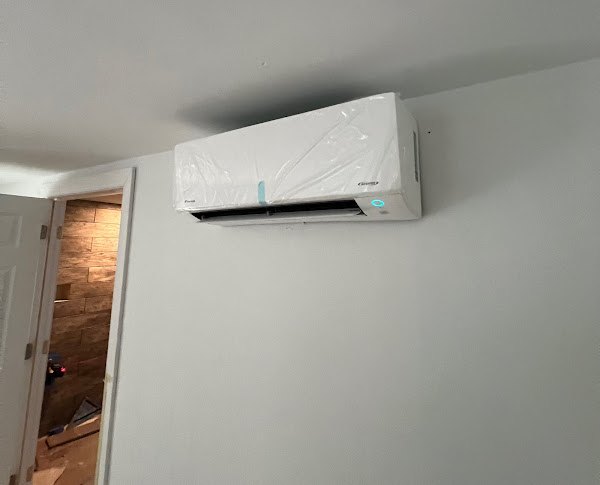
The same survey lists standing-seam metal roofs all through the district. An upstairs bedroom under one bakes in July, and the July 2019 heat pushed heat index values past 110 across northern Fauquier. A head on that room’s wall cools it on a setting of its own, and it heats the same room on the 98 or so freezing nights a year the Warrenton weather station averages.
Out on the farm lots the houses are younger. The block group around the village counts 169 homes from the 1990s and 140 from the 1970s, all detached, and plenty have a room the original ducts never reached: a bonus room over a detached garage, a porch closed in for a den, a basement finished later, a studio or office in an outbuilding. Each of those is one zone.
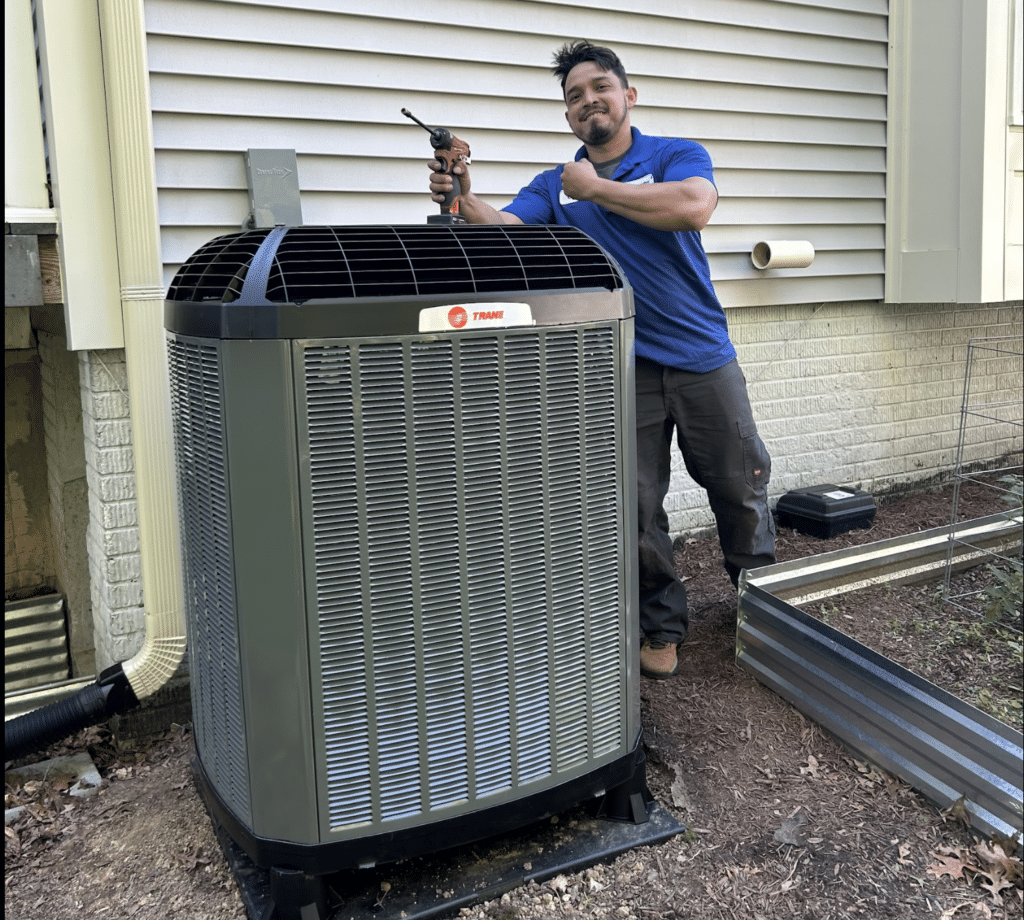
Where the outdoor unit goes matters more out here than in a subdivision. Northern Fauquier got an estimated 24 to 36 inches of snow in the January 2016 blizzard, and a mini split has to keep pulling air and draining its defrost water through weather like that. On a wall bracket or a tall stand, out from under the roof’s drip line, it keeps heating with the yard buried.