Three in four owner homes in ZIP 20129 date from 1980 or later, with a median build year of 1997, so most have ducts drawn in with the plans. A mini split goes where those plans stopped: a room added afterward, a garage bay turned into an office, a space at the far end of a long duct run. Nothing in the Census says which of the roughly 150 owner homes have such a room, so that question is yours to answer.
About one owner home in six predates 1960, and about one in four predates 1980. A house from before 1960 may have been built with radiators or baseboards and no ducts. Central air there means cutting chases through finished walls, while a mini split needs a small hole for the line set. Oil heats nearly one in five owner homes, and where it feeds a hot-water boiler the house often has no ducts to cool through.
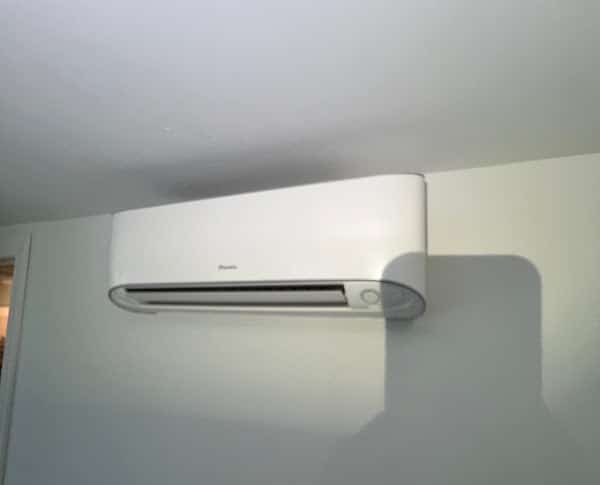
Electricity heats just over a third of the owner homes, which can mean baseboard strips as well as heat pumps, and a ductless head heats as well as cools. For a baseboard room, one wall unit does both jobs. Propane heats nearly half, and in those houses a head is a way to cool a room the furnace’s ducts reach poorly, with the furnace left to do what it does.
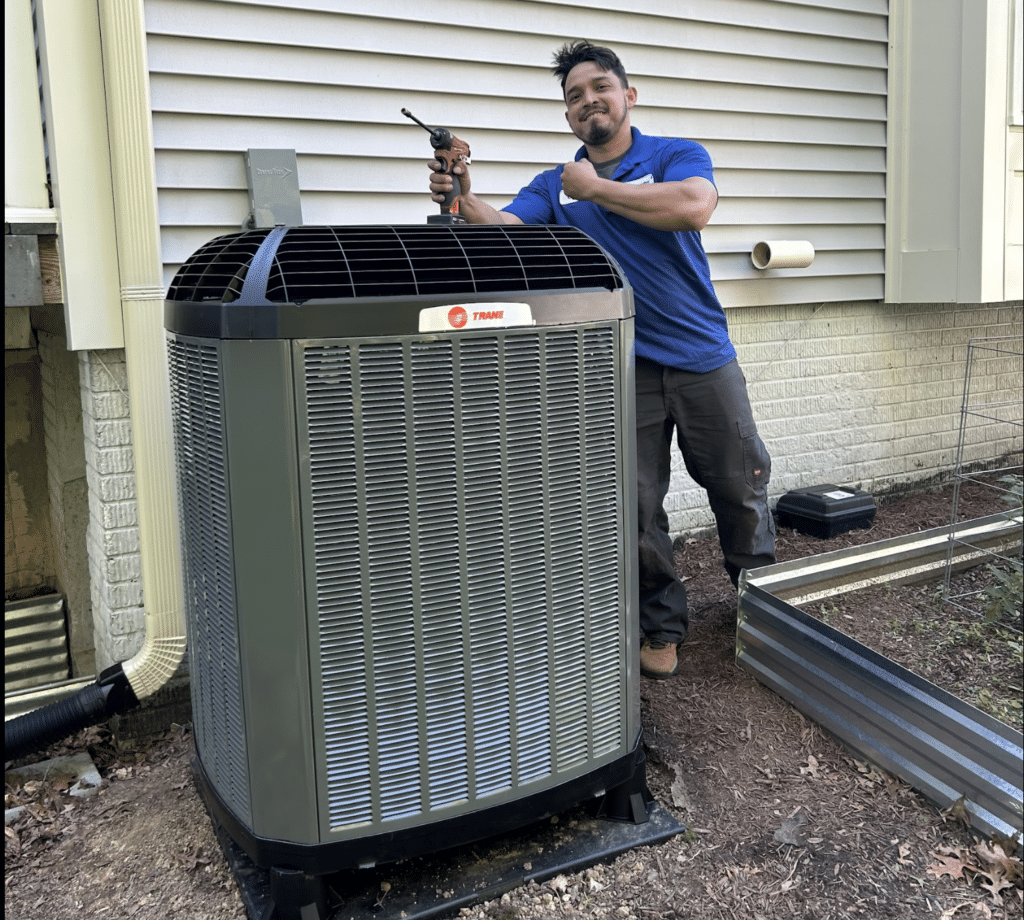
July’s average high at the Purcellville station is 86.4, and it logs about thirty days a year at 90 or above, which is when a top-floor bedroom or a room over a garage runs hot. The outdoor unit needs a clear spot. Storm winds dropped dozens of trees near town on June 2, 2022, and again on July 15, 2024, so the unit belongs away from the limbs, on a bracket that holds it above the snow.