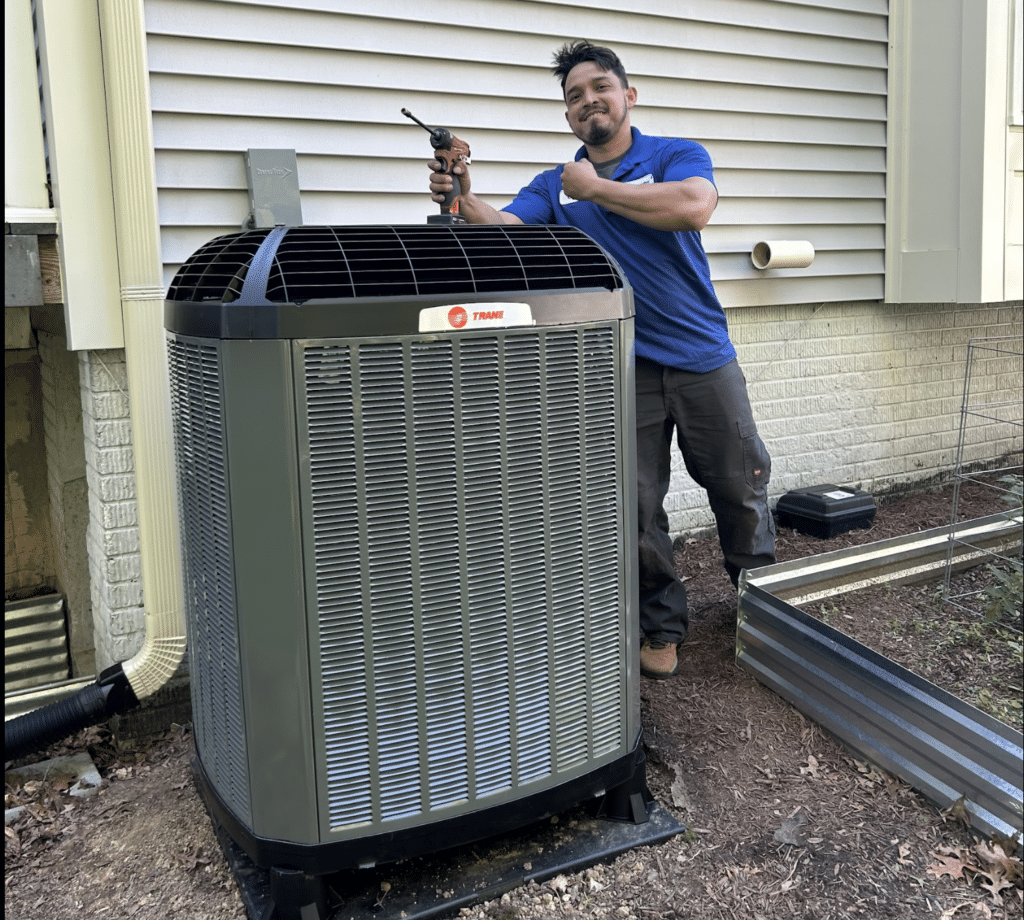
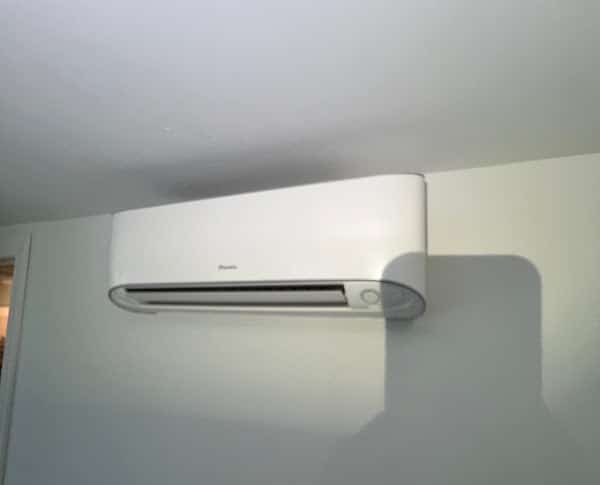
The City’s historic district is the clearest case for ductless in Manassas. Its design guidelines count frame vernacular houses from 1860 to 1920 as almost half the homes there, beside Queen Anne houses, American Foursquares and bungalows built up to about 1940, and note that front porches were common before air conditioning. A house like that most likely got its ducts, if it has any, long after it was built, and the upstairs tends to be served worst. A head on the wall of each room beats new duct runs through plaster.
What shows outside is what the City reviews. The guidelines ask for outdoor HVAC equipment somewhere unobtrusive or behind landscaping or a fence, and a permit that changes a historic exterior waits on the Architectural Review Board. A window unit in an existing window is minor work City staff handle; whether a mini split’s outdoor unit and line set count as minor depends on where they go. Start with the back of the house or a side hidden from the street.
Past the city line, Loch Lomond is the other older pocket: detached houses almost without exception, 88 in 100 built before 1980. Houses that age have often grown a family room, a sunroom or a converted garage, none of them on the original duct layout. A new run off the trunk steals air from rooms already short of it, so one head on its own outdoor unit leaves those ducts alone.
Bull Run is the condo end, about half its homes in condo and apartment buildings, which Prince William treats as commercial projects for permits; the association usually decides whether an outdoor unit goes on the building at all. In Independent Hill and Buckhall the ductless room is usually a basement finished after move-in or the space over the garage, and the county lists finishing a basement, new circuits and changes to the heating and cooling as always needing a permit.