Sterling’s oldest streets are around Sterling Park, south of Route 7, and in Sugarland Run just north of it: about four in ten homes in each went up before 1980. Countryside is about eight in ten 1980s and 90s houses. Cascades and Lowes Island came after, their median homes both from 1996, and most of the condos around Dulles Town Center were built after 2000.
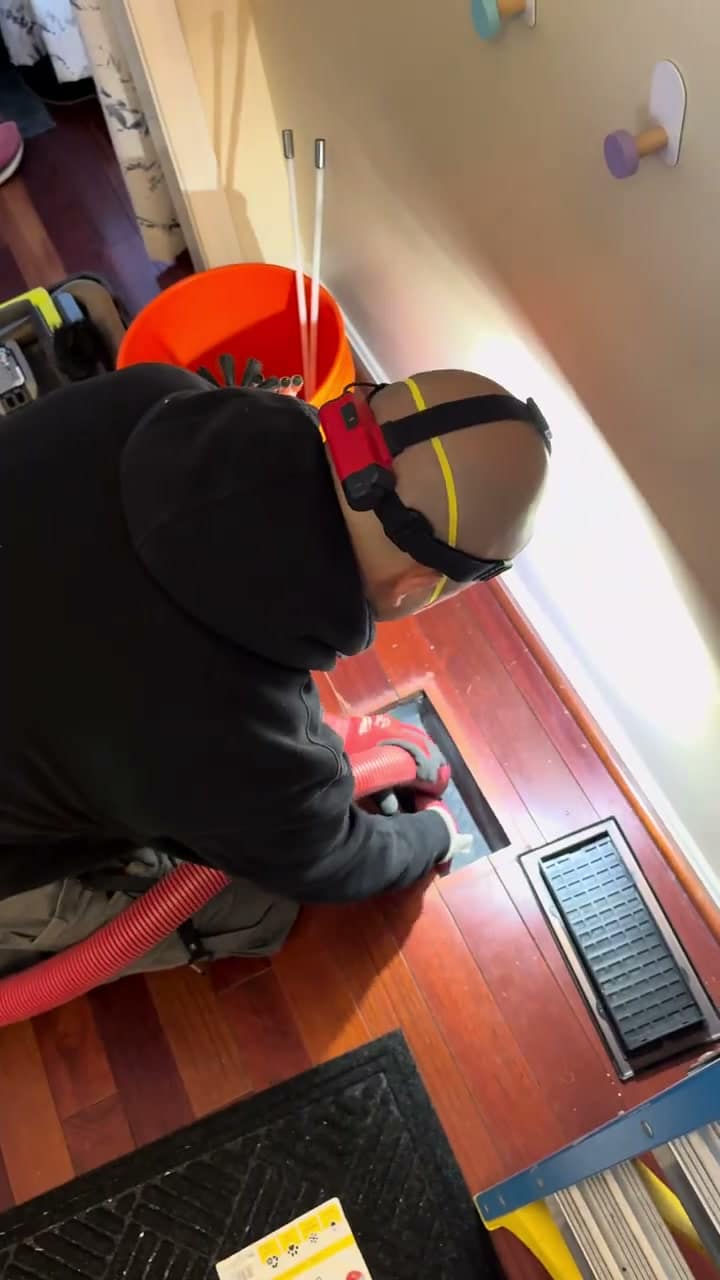
Those waves show the moment a register comes off. A Sterling Park house from the 1970s usually still has its first sheet metal, and after fifty years and a few owners the ductwork has often been patched around a moved wall or an addition. A 1990s house in Cascades or Lowes Island tends to have a metal trunk in the basement with flexible runs off it, and the bigger ones often add a second system in the attic for the bedrooms.
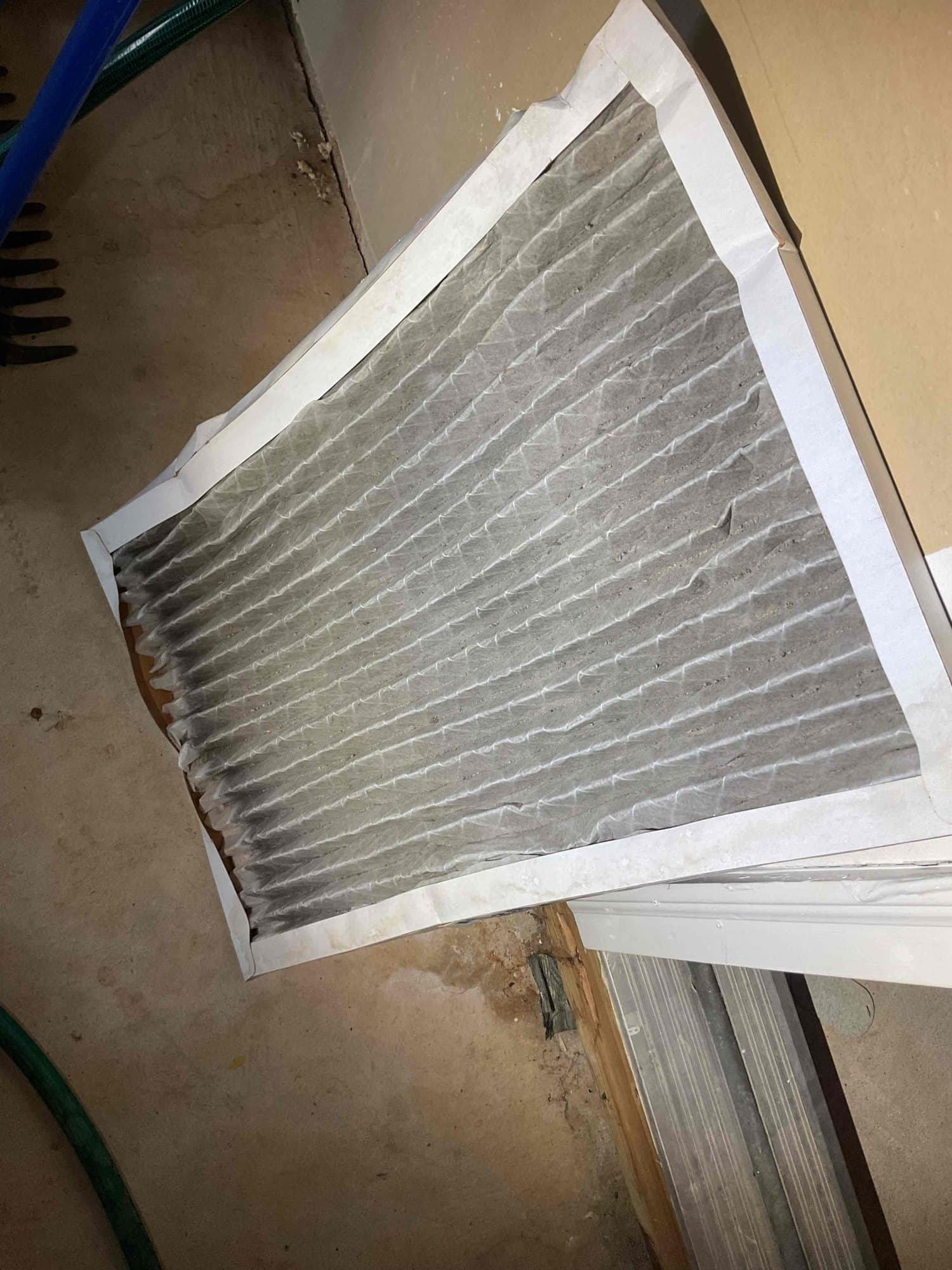
How the house heats matters too. In Sterling proper, south of Route 7, just over half the owner homes run on electric heat, and in Countryside nearly eight in ten do, most of them with heat pumps, whose air handlers keep air moving through the ducts for hours at a stretch all winter. Cascades is the opposite, about eight in ten on gas. The cleaning is the same, but a heat pump house leans harder on its filter, so the filter rack and the return grille are where we start.
Dulles Town Center is a different Sterling again. More than half its homes are in condo and apartment buildings, and seven in ten are rented. Those are small systems in a closet with short runs, and the easy time to clean one is when a lease ends, so the owner sees the camera photos with nobody’s furniture in the way.