Woodbridge holds three generations of pipe under one name. The oldest is around Route 1, in the Census place called Woodbridge, where about one home in nine predates 1960: galvanized steel supply that rusts shut from the inside, over cast iron drains. Dale City came next, about four in ten homes from before 1980, usually copper over cast iron. Lake Ridge, planned under a 1972 declaration, and Potomac Mills went up mostly in the 1980s and 90s, the years grey polybutylene supply pipe went in. Leesylvania and County Center, eight homes in ten built after 2000, usually run PEX or CPVC with plastic drains.
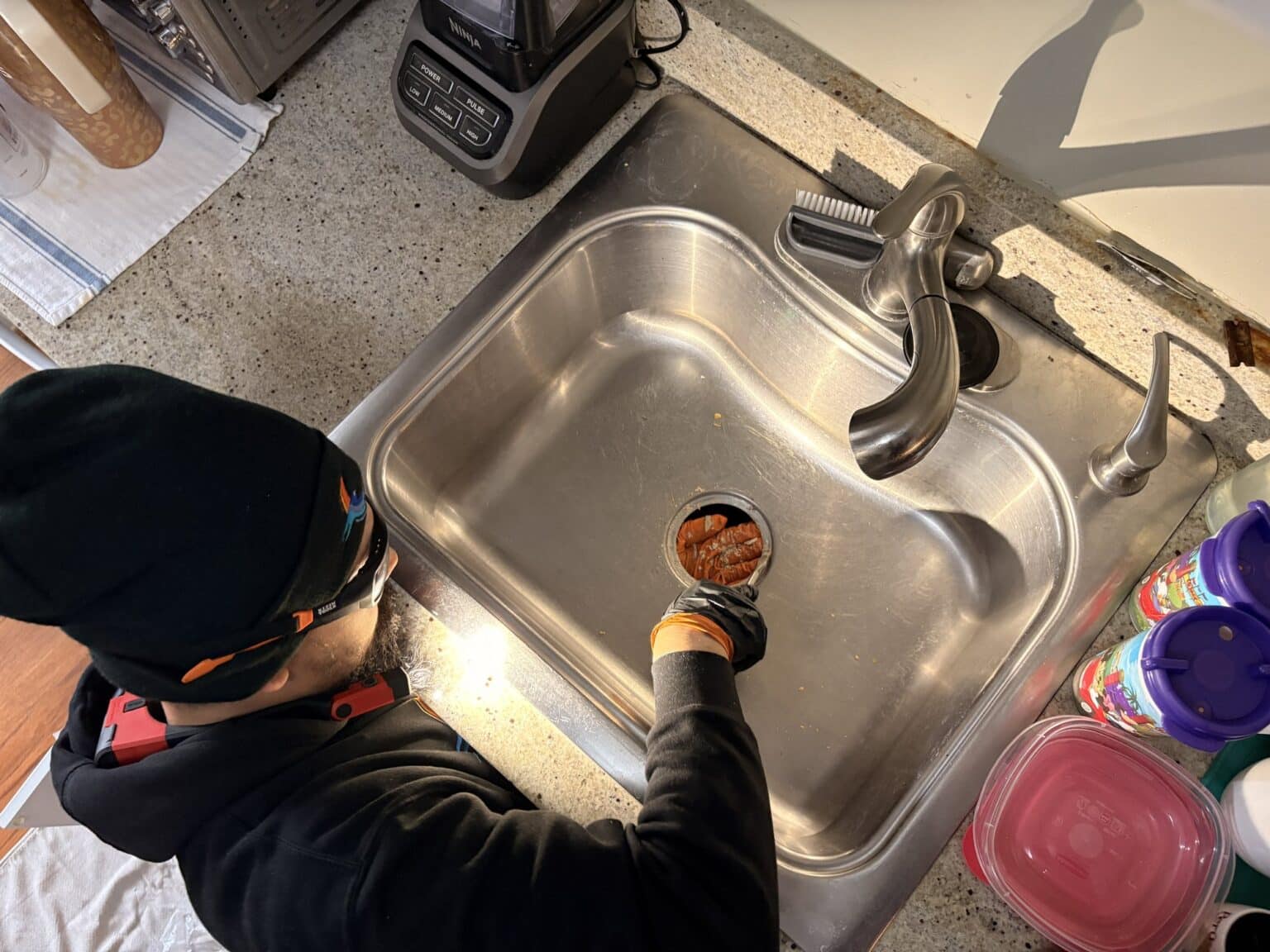
On Prince William Water’s sewer, the utility names what blocks the pipes: fats, oils and grease poured down the sink, and wipes, flushable label or not. Grease cools into a lining that catches whatever comes next. When a backup keeps returning, a sewer camera inspection shows a grease plug, a root or a sag before anybody prices a dig, and main sewer line cleaning runs $550 to $1,650.
Ground water belongs somewhere else. Prince William Water counts a sump pump, a gutter or a downspout tied into the sanitary sewer as an inappropriate connection, one of the causes of the sewage overflows it works to prevent. So a sump pump should empty outside, not into a floor drain or the laundry sink. Inside the Lake Ridge association, its guidelines add where: a drain line across the front yard has to be buried and pointed away from the neighbors, and a buried line has to end inside your own lot.