The typical owner’s house in Lorton went up in 1997, and the ZIP’s homes split almost evenly between two building waves: about four in ten from the 1980s and 1990s, and a little more than four in ten since 2000. Fewer than one in five is older. Each wave is due for a new pair for its own reason.
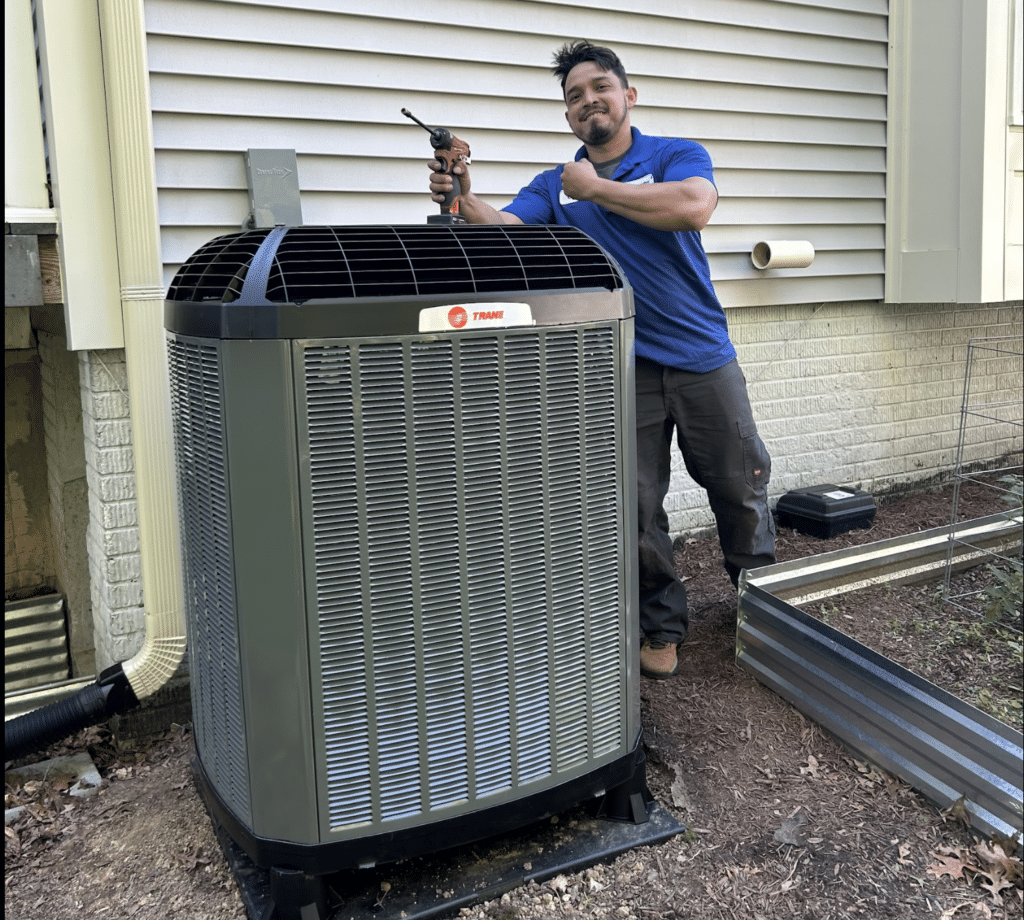
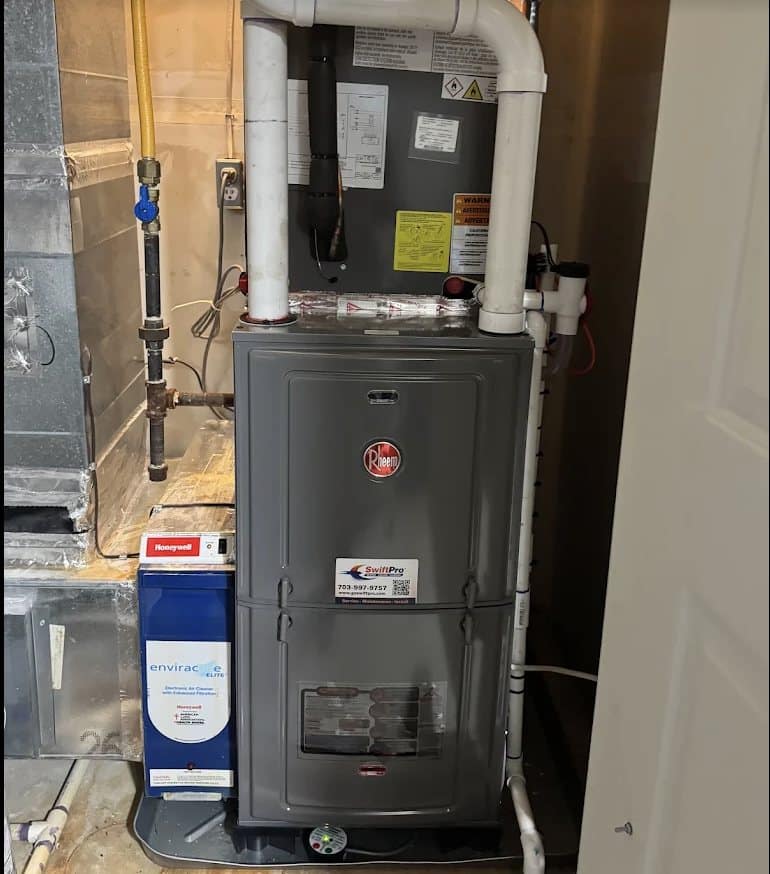
The newer wave, most of Laurel Hill and close to half of the Lorton Census place, still runs plenty of builder pairs from the 2000s. A furnace and an air conditioner put in the same week wear on the same calendar, and most outdoor units from those years hold R-22, which hasn’t been made since 2020. When one half fails, the other usually isn’t far behind, and doing both means one permit, one trip into the attic or basement, and a matched coil and outdoor unit on the newer refrigerant.
The older wave has usually been through this once: a house from the late 1980s or 1990s is often on its second pair, and those are getting on too. There the bigger question is the ductwork, the same runs the house was built with, sized for whatever went in first. We look at the return and supply runs before choosing a size, because going bigger on original ducts mostly buys noise.
In the Lorton Census place more than a third of homes are rented and about a quarter sit in condo and apartment buildings. A landlord usually wants the swap done between tenants, and a condo owner needs the association’s sign-off on the outdoor half first. On Mason Neck, where close to two in three owners heat with electricity, the matching job is usually a heat pump system, $8,499 to $21,650 installed.